
In arbitrage systems, it is critical to clearly distinguish between calculation and result.
Any trading logic starts with calculations. The system analyzes orderbooks, fees, and volumes, and produces a nominal result — what could be achieved under the current market conditions. This stage is necessary: without a positive calculation, trading simply does not make sense.
However, a nominal result is not yet profit. The market does not freeze at the moment of calculation. While data is being processed, conditions continue to change: orderbook depth updates, prices shift, liquidity appears or disappears.
As a result, some valid calculations remain at the model level and never reach execution.
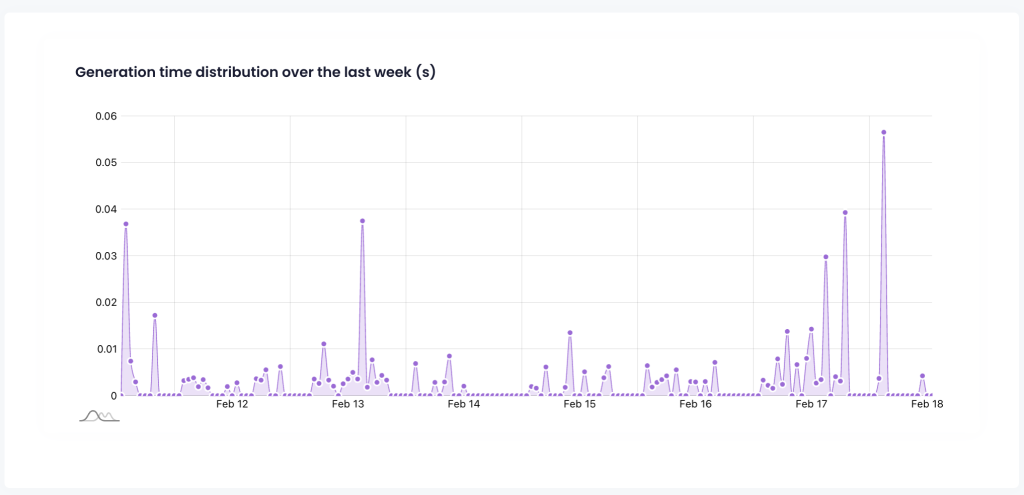
Why this matters becomes clear when we consider time. Every arbitrage chain exists inside a validity window. The longer the generation time, the higher the probability that the market state used for calculation has already changed.
Even a nominally profitable chain may lose feasibility if recalculation, validation, and execution alignment take too long. This does not mean the model was wrong. It means the market moved.
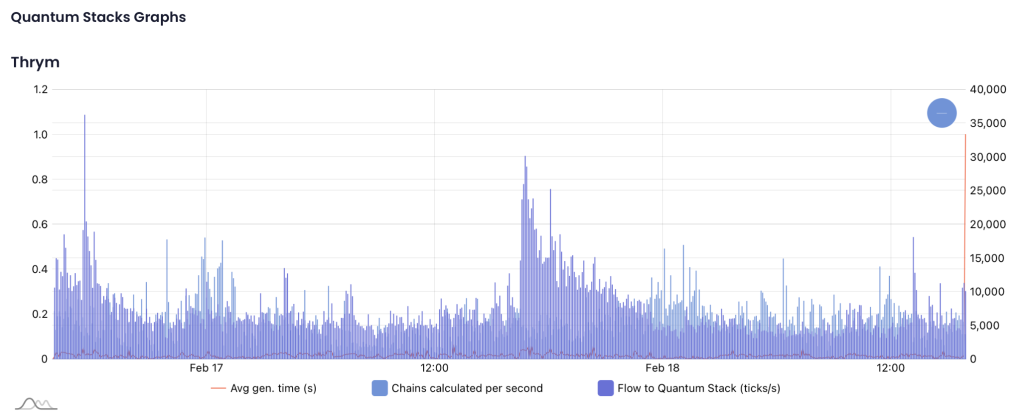
Under higher tick flow, recalculation pressure increases. If infrastructure does not scale proportionally, latency grows and synchronization degrades. This directly impacts how many nominal opportunities survive long enough to become executable.
Real profit arises only after execution. When orders are placed, capital actually passes through the market, turnover is formed, and factual balance changes are recorded. This is where moneyflow becomes the only objective confirmation of profit.
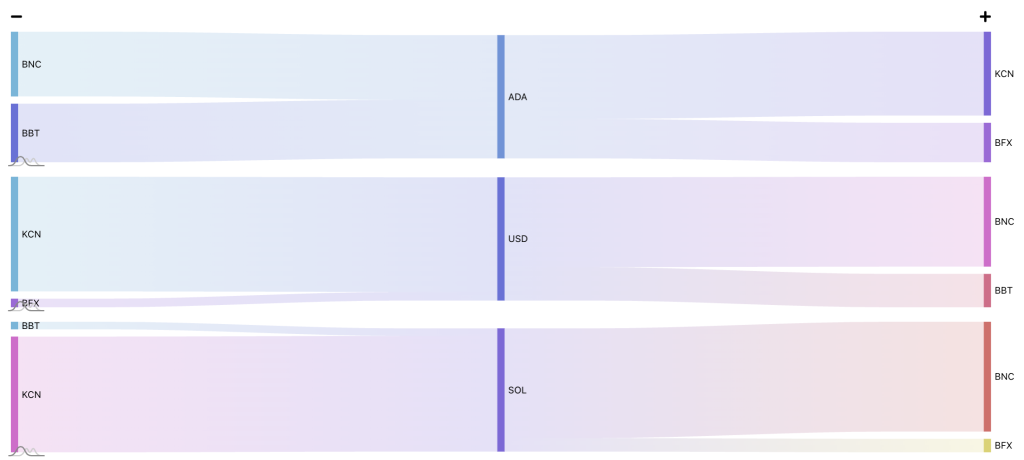
Until capital moves, profit is theoretical. The gap between nominal and real profit is not a system error and not a sign of “bad calculations.” It is a structural consequence of operating in a continuously updating environment where arbitrage opportunities exist only for limited time intervals.
That is why arbitrage system efficiency is not determined by the number of positive calculations, but by how many of them reach real capital movement.
Nominal profit answers the question: Is it worth checking further?
Real profit answers the question: What actually happened in the market?
And in arbitrage infrastructure, only real profit defines performance.